
The Irreplacables
Inspiration is a dish best served warm - by teachers.

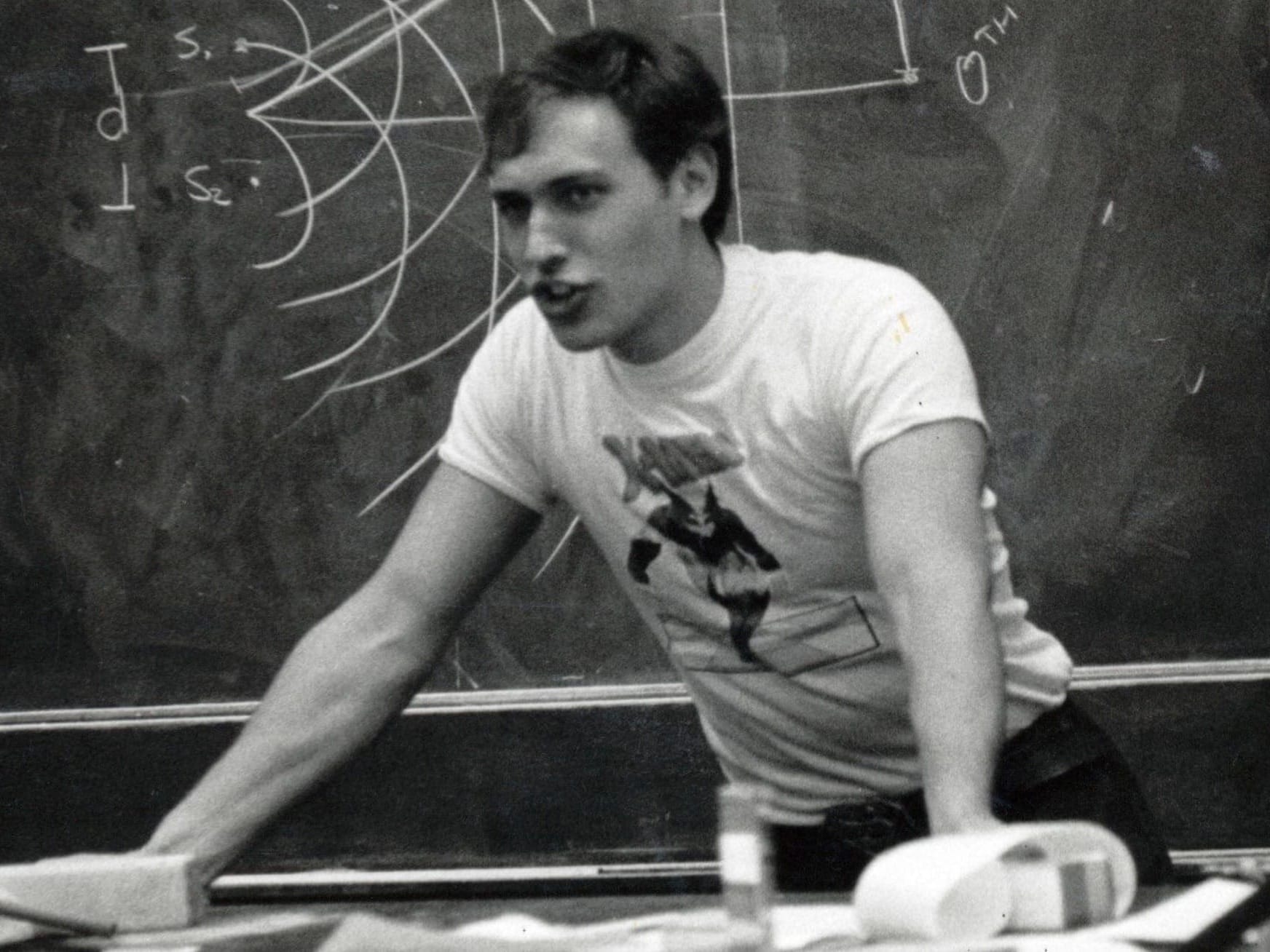
Lately, as the hype cycle of AI continues unabated, I’ve been thinking a lot about teachers, those unsung heroes who make such a difference in our lives. Teaching is an act of service that instills in us the desire to strive, to better ourselves and the world around us. As we sit on our perches of a life gone by we often forget how they helped propel us forward.
In high school, I took a joint Russian History & Literature class with two such teachers, both named Don Phillips. Don Phillips#1 was a towering, excitable and irreverant figure with block square framed glasses. His long arms waved wildly as he discussed Marx, Lenin and the Russian Revolution. To be in his class you felt the weight of his presence, arms flung gesturing at the blackboard, his eyes wide with excitement as he talked of the The Potemkin, Marx, Lenin and the Russian Revolution. In Don's class, we didn’t learn facts about history. Instead, we were inspired by history.
Inspiration is rarified air, a gateway to awe, wonder, and possibility. I’ve often felt these are the necessary components for developing critical thinking skills. Recent research, however, suggests that AI adversely effects critical thinking. In a [], This is not to say there are use-cases for AI in education, as personal tutors or curriculum design tools. But it does point to a flattened world of learning, where inspiration gets suffocated in service to learning as a transactional rather than an inspirational learning experience. AI, as Shannon Vallor calls out in her book The AI Mirror, is trained on our past. We look into the AI mirror seeking answers about our future, but it has no way of knowing. The answer it will give are only confident predictions based past human histories. This is where the space of reasoning is at risk. Without it, we become stuck staring at the reflection, at our reflection, never reaching our potential future.